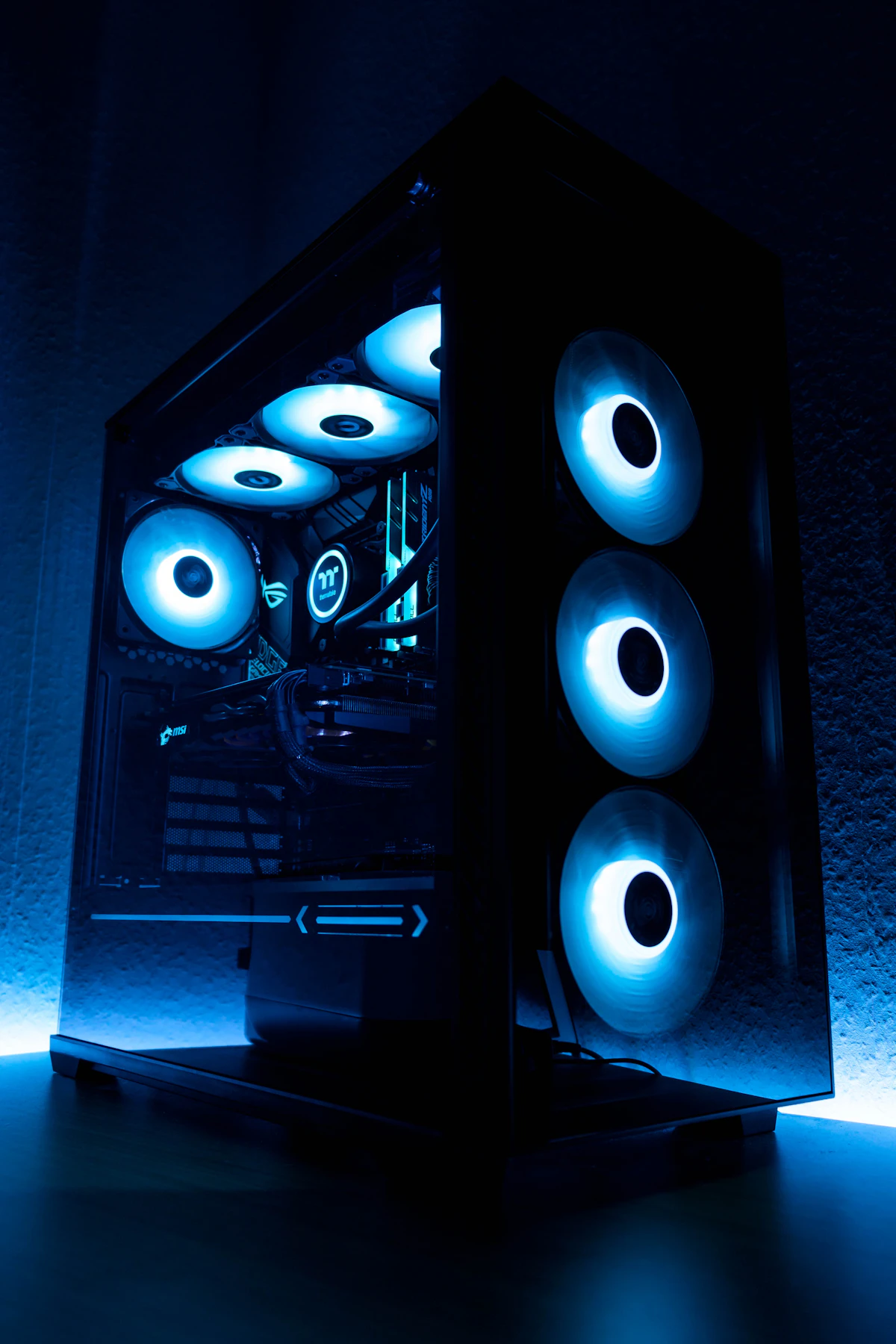
When NVIDIA initially unveiled the GeForce RTX 5080 with 16GB of video memory, the enthusiast PC gaming and workstation community voiced immediate skepticism. Charging over $1,100 for a flagship-adjacent Blackwell graphics card equipped with the same 16GB VRAM capacity introduced on the RTX 4080 four years prior was viewed as an aggressive product segmentation compromise. Now, comprehensive semiconductor supply chain leaks from Taiwan and board partner manifests indicate that NVIDIA is actively preparing a revised GeForce RTX 5080 24GB edition.
The catalyst behind this mid-cycle architectural pivot is the rapid commercial readiness of next-generation 3GB GDDR7 memory modules from Samsung and SK Hynix. By adopting these denser memory dies, NVIDIA can substantially elevate video memory capacity without altering the underlying 256-bit memory controller bus of the GB203 silicon die.
Architectural Deep-Dive: How 3GB GDDR7 Dies Enable 24GB on a 256-Bit Bus
In traditional GPU engineering, memory capacity is strictly constrained by the width of the memory bus. A 256-bit memory bus utilizes eight 32-bit memory channels, each connecting to a single physical memory chip on the printed circuit board (PCB). Using standard 2GB (16Gb) GDDR7 modules, a 256-bit GPU is physically locked to 16GB of total VRAM. To reach 24GB previously, NVIDIA would have been forced to engineer an expensive 384-bit bus or resort to complex clamshell configurations.
By integrating newly certified 3GB (24Gb) GDDR7 dies, NVIDIA populates the identical eight PCB memory pads with 3GB modules, achieving a native 24GB framebuffer across the existing 256-bit bus. Furthermore, these refined memory modules are validated to operate at blistering pin speeds of 32 Gbps, producing over 1,024 GB/s of theoretical memory bandwidth—a massive 14.3 percent bandwidth improvement over the 28 Gbps modules planned for initial Blackwell cards.
| Hardware Metric | GeForce RTX 5080 (16GB Launch) | GeForce RTX 5080 (24GB Refresh) | GeForce RTX 5090 (Halo Tier) |
|---|---|---|---|
| Silicon Die | GB203-400 (TSMC 4NP) | GB203 Refresh (TSMC 4NP) | GB202-300 (TSMC 4NP) |
| CUDA Cores | 10,752 | 10,752 | 21,760 |
| VRAM Capacity & Type | 16GB GDDR7 (8x 2GB) | 24GB GDDR7 (8x 3GB) | 32GB GDDR7 (16x 2GB) |
| Memory Bus Width | 256-bit | 256-bit | 512-bit |
| Memory Speed & Bandwidth | 28 Gbps / 896 GB/s | 32 Gbps / 1,024 GB/s | 28 Gbps / 1,792 GB/s |
| Total Board Power (TBP) | 360 Watts | ~400 Watts | 600 Watts |
| Projected Retail MSRP | $999 – $1,199 USD | $1,199 – $1,299 USD | $1,999 USD |
As illustrated in the comparative hardware table above, the 24GB refresh transforms the RTX 5080 into a legitimate long-term investment, providing a balanced stepping stone below the ultra-expensive 32GB RTX 5090.
Gaming Benchmarks and Local AI Memory Saturation
The practical necessity for 24GB of VRAM is acutely demonstrated in modern gaming benchmarks. At native 4K resolution (3840x2160) with full path tracing enabled in titles like Alan Wake 2, Cyberpunk 2077, and Black Myth: Wukong, texture streaming buffers, frame generation scratchpads, and ray-tracing BVH trees easily consume 15.2GB to 15.8GB of VRAM. On a 16GB card, background Windows DWM processes push memory past the threshold, inducing severe frame pacing stutter as textures spill into system RAM.
For local artificial intelligence practitioners and content creators, the 24GB framebuffer is revolutionary. A 24GB pool allows local execution of 4-bit and 8-bit quantized 70-billion parameter models (such as Llama 3 70B and DeepSeek Coder) entirely within GPU memory, delivering 45+ tokens per second. Video editors rendering multi-node 8K Blackmagic RAW or ProRes timelines in DaVinci Resolve Studio 19 similarly avoid dreaded out-of-GPU-memory crash dialogs.
Market Timing, 16GB SKU Deprecation, and Buyer Strategy
Supply chain sources suggest NVIDIA plans to unveil the 24GB variant at CES in January 2027, with retail volume ramping across the first quarter. This raises immediate strategic questions regarding the initial 16GB inventory. Board partners—including ASUS, MSI, Gigabyte, and Zotac—are anticipated to position remaining 16GB cards with promotional price cuts toward the $999 MSRP baseline once 24GB shipments arrive.
For international buyers in regions such as Nepal and India, where customs import tariffs add 20 to 25 percent to GPU hardware, purchasing a 16GB graphics card for over NPR 200,000 only to see it superseded within months poses significant financial risk. Hardware enthusiasts planning ground-up 4K gaming rigs are strongly advised to hold current GPU upgrade budgets until the 24GB revision formally lands on retail shelves.
Verdict: The Sweet-Spot Flagship PC Enthusiasts Deserved
The emergence of the GeForce RTX 5080 24GB represents a necessary market correction. While the original 16GB model possesses immense raw rasterization throughput, limiting high-end silicon to a four-year-old memory capacity undermined its longevity in an era dominated by ray tracing and local generative AI.
With 24GB of ultra-dense 32 Gbps GDDR7 memory, the refreshed RTX 5080 eliminates memory bottlenecks while delivering over 1 terabyte per second of bandwidth. For uncompromising PC builders demanding flagship performance without committing to the 600-watt power requirements of the RTX 5090, the 24GB RTX 5080 will stand as the definitive enthusiast card of 2027.
💬 Reader Discussion & Feedback 0