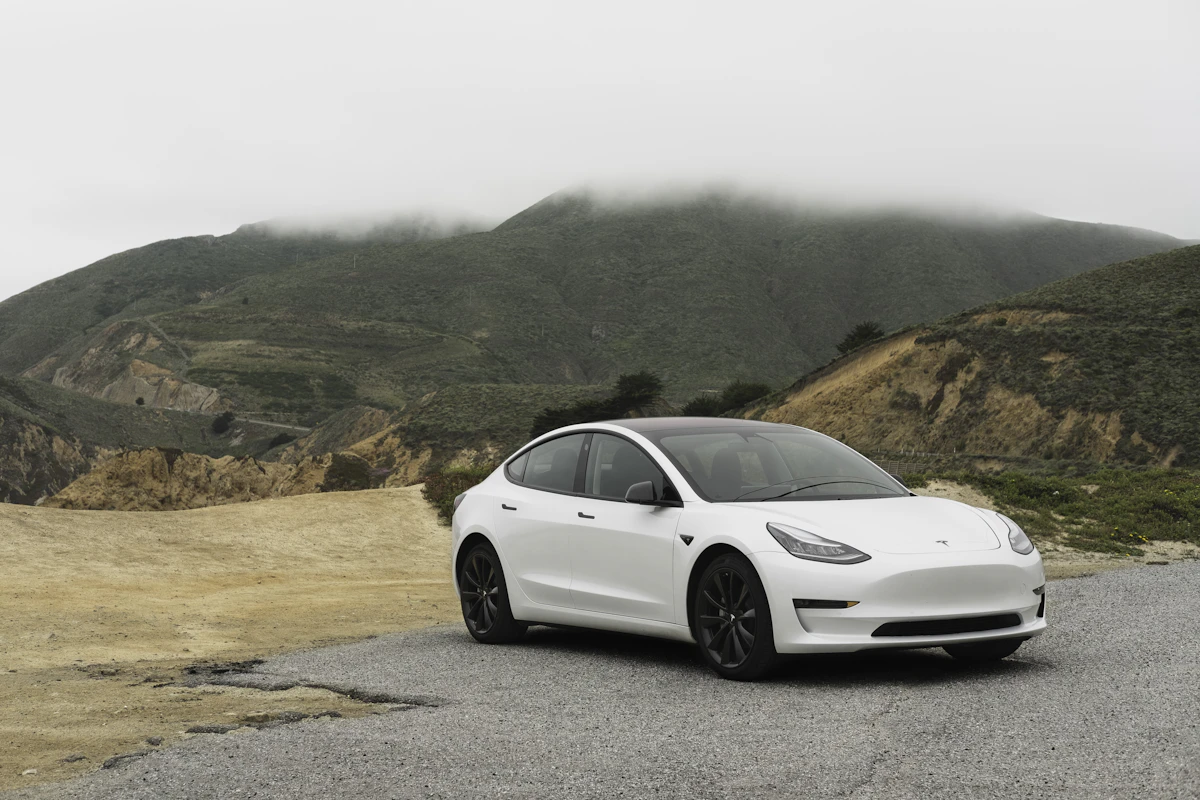
Roadster Delayed, But the War Chest Swells
Tesla has officially pushed the highly anticipated unveiling of its next-generation Roadster from October 1 to October 15, citing severe weather forecasts threatening the outdoor elements of the presentation at its Texas Gigafactory venue. But for Wall Street and industry analysts, the delayed hypercar is merely a flashy distraction from the automaker's real strategic maneuvering.
In a comprehensive SEC 8-K filing dropped early this morning, Tesla confirmed the finalization of a staggering $30 billion debt facility. This unprecedented war chest consists of a $20 billion delayed-draw term loan and a $10 billion revolving credit line. This massive influx of capital points to one undeniable fact: Tesla is entering a hyper-aggressive expenditure phase to dominate the automation and robotics sectors.
The $25B CapEx Burn Rate
Tesla's 2026 capital expenditure (CapEx) run rate is currently exceeding $25 billion annually, dwarfing traditional automakers. The company is no longer simply building cars; it is financing the most expensive artificial intelligence infrastructure project on the planet. The $30 billion credit facility provides a heavily padded safety net to sustain this aggressive burn rate through potential macroeconomic downturns.
The funds are earmarked for three primary resource sinks:
- Dojo and AI Compute: Procuring next-generation hardware, including Nvidia B200 clusters and Tesla's proprietary Dojo Exa-scale supercomputers, to process the exabytes of real-world video data required for autonomous training.
- Cybercab Fleet Operations: Deploying physical infrastructure for the autonomous ride-hailing network, including dedicated high-speed charging depots, automated cleaning bays, and regional control centers.
- Optimus Gen 3 Tooling: Establishing highly specialized manufacturing lines specifically for the advanced robotic actuators and tactile sensor arrays required for the Optimus humanoid robot.
Scaling the Cybercab
The commercial rollout of the Cybercab remains Tesla's most ambitious operational challenge to date. Building a self-driving car is entirely different from operating a self-driving taxi network. The logistics of maintaining, cleaning, and routing tens of thousands of driverless vehicles in dense urban environments require immense capital.
"We are not just selling vehicles to consumers anymore. We are acting as the manufacturer, the fleet operator, and the software provider simultaneously. That requires a balance sheet built for absolute war," an internal Tesla strategy memo noted.
Furthermore, Tesla is facing intense regulatory headwinds. The National Highway Traffic Safety Administration (NHTSA) continues its rigorous scrutiny of Tesla's Full Self-Driving (FSD) architecture. Scaling the Cybercab network means engaging in brutal, city-by-city regulatory battles, requiring deep pockets for legal and lobbying efforts to prove statistical safety superiority over human drivers.
Optimus Gen 3: The Robotic Hand Challenge
Perhaps the most technically demanding portion of Tesla's capital allocation involves the Optimus humanoid robot program. The upcoming Gen 3 iteration focuses heavily on manual dexterity. Replicating the 27 degrees of freedom found in the human hand using electromechanical actuators is a monumental engineering hurdle.
Tesla has dedicated a significant portion of its new capital to custom tooling for robotic hand manufacturing. The sensory requirements alone—integrating high-fidelity tactile feedback arrays into synthetic fingertips to allow the robot to handle fragile objects without crushing them—demand entirely new supply chain ecosystems. Tesla is vertically integrating this process, building the micro-actuators in-house to reduce per-unit costs and maintain tight quality control.
Looking Past the Roadster
The 15-day delay of the next-generation Roadster is a minor logistical blip. The vehicle, expected to feature cold-gas thrusters developed alongside SpaceX to achieve sub-2-second 0-60 mph acceleration, is a halo product. It exists to generate headlines and maintain brand prestige.
The true value of Tesla in 2026 lies not in low-volume hypercars, but in its ability to execute on the promises of the Cybercab and Optimus. With a freshly minted $30 billion credit facility backing its play, Tesla has secured the financial ammunition required to force real-world autonomy into the mainstream. The only remaining question is whether their AI models can match the sheer scale of their bank account.

💬 Reader Discussion & Feedback 0