
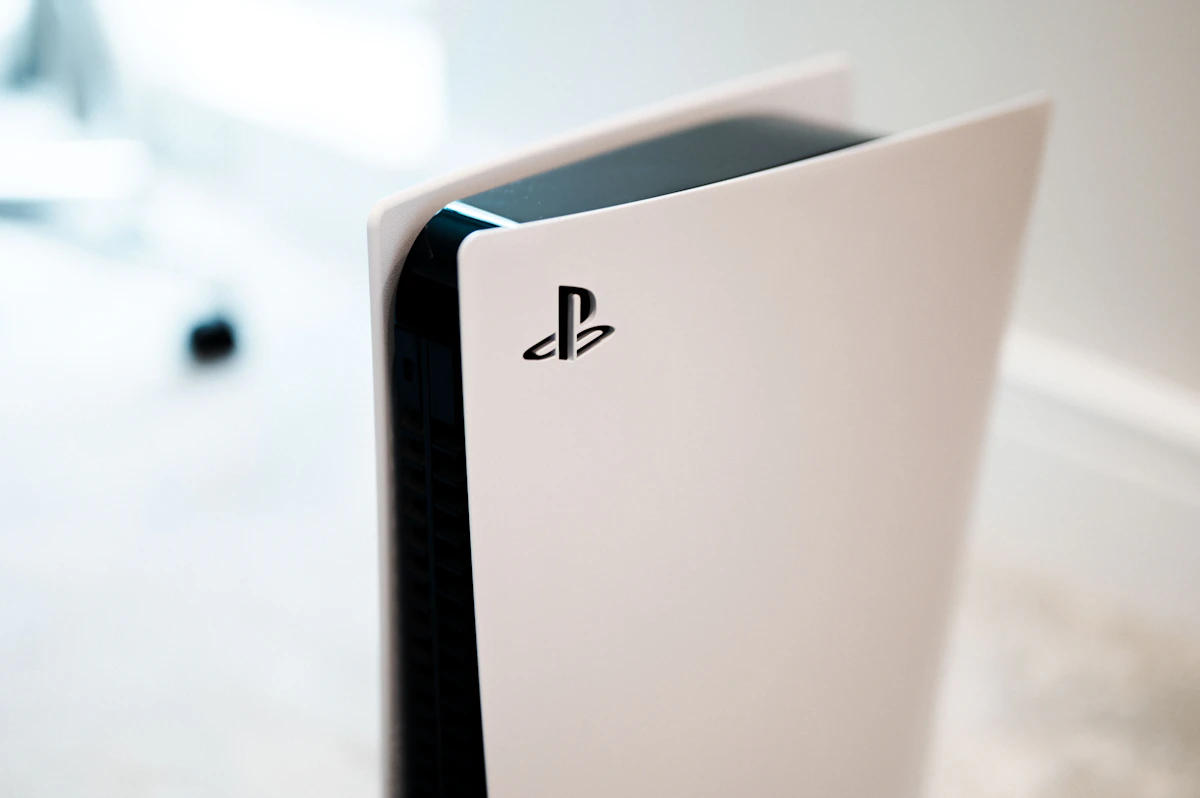
For nearly a decade, Silicon Valley industrial design operated under an ironclad dogma: sleek brushed aluminum, muted monochrome tones, minimalist bezels, and sterile matte black accessories. The tech industry told consumers that sophistication meant blending into the background—an ethos that culminated in the "quiet luxury" and "clean girl" aesthetics that dominated social feeds between 2022 and 2024.
As of September 2026, that era has officially come to a screeching halt. Across TikTok, Instagram Reels, and real-world creator hubs, a bright counter-revolution has exploded into the mainstream: The Maximalist "Bedazzle Everything" Movement.
The Rebellion Against the "Identical Glass Slab"
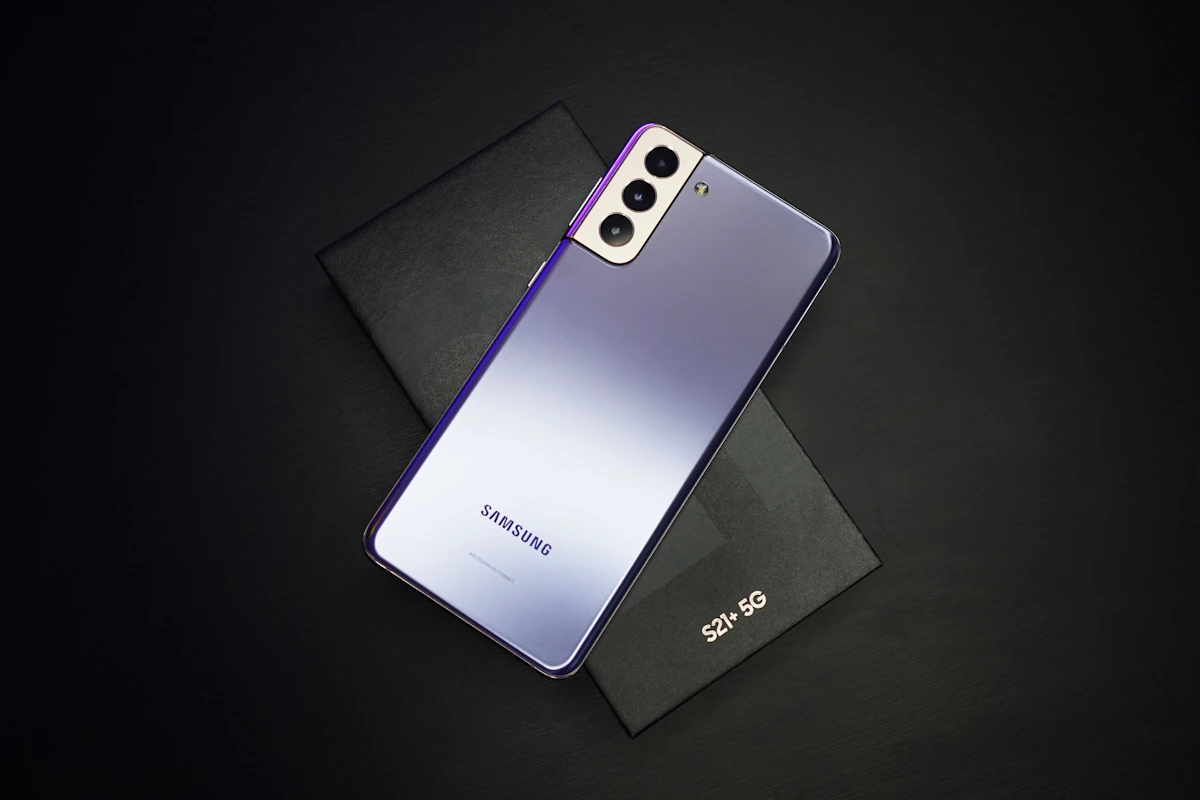
To understand why millions of Gen Z and millennial creators are gluing acrylic crystals, vintage anime charms, tactile resin trinkets, and metallic beads to four-figure smartphones, one must examine consumer psychology. Every flagship smartphone today—whether manufactured by Apple, Samsung, or Google—looks almost indistinguishable from ten feet away: a flat rectangular glass sandwich with circular camera lenses.
When physical hardware design reached an evolutionary plateau of sterile uniformity, users sought radical individualization through aftermarket expression. TikTok creator @ttoddf's viral transformation of everyday utility bags into gemstone-studded high-fashion statements sparked a wave of creators asking a simple question: Why should our most intimate personal devices look like corporate office supplies?
Key Pillars of the 2026 Tech Maximalism Wave
The current viral wave is not merely haphazard sticking of glitter; it has crystallized into distinct sub-aesthetic schools:
| Trend Movement | Signature Elements | Primary Tech Canvas |
|---|---|---|
| Bedazzle Revival | Swarovski crystals, holographic resin cabochons, rhinestone border wraps | Phone bumpers, AirPod Max earcups, digital cameras |
| Y2K Charm Cascades | Beaded phone lanyards, enamel keychains, modular carabiner attachments | Foldable phones, handheld gaming consoles (Steam Deck, Switch 2) |
| Cyber-Kawaii Mechanical | Artisan anime keycaps, coiled pastel paracord cables, illuminated desk shrines | Custom mechanical keyboards, desktop workstation setups |
| Sticker-Bomb Collage | Overlapping waterproof matte decals, indie illustration badges, tech puns | MacBook lids, hydro flasks, tablet protective sleeves |
How Major Tech Accessory Brands Are Pivoting
Accessory behemoths like Casetify, Dbrand, and PopSockets have rapidly adapted their production pipelines to capitalize on this cultural shift. Rather than offering only pre-printed static patterns, leading manufacturers now sell "blank canvas" structural cases accompanied by DIY customization kits featuring UV-curing adhesives, reusable charm anchors, and tactile silicone bumper attachments.
Collaborations with vintage anime franchises, iconic gaming titles, and streetwear designers have sold out within seconds, proving that consumers are willing to spend as much decorating their phone case as they spent on the handset's annual insurance plan.
How to Personalize Your Gear Without Ruining Hardware
While decorating personal gadgets is helping and visually striking, smartphone technicians and repair labs have raised valid warnings regarding device longevity. If you want to look at the maximalist trend, keep these critical technical guidelines in mind:
- Never Glue Directly to the Device Body: Always apply adhesives, stickers, and rhinestones to a high-quality protective hard shell or silicone case—never directly onto your phone's glass back or chassis, which can destroy oleophobic coatings or void warranty coverage.
- Keep Wireless Charging Coils Clear: Avoid placing dense metallic charms or thick acrylic layers directly over the center-back MagSafe / Qi2 wireless charging induction zone to prevent severe overheating or charging failures.
- Protect Microphones and Thermal Vents: Be mindful not to obstruct noise-canceling pinhole microphones (usually near camera modules) or thermal exhaust vents on laptops and portable gaming consoles.
- Check Camera Lens Cutouts: Oversized 3D cabochons placed too close to ultra-wide camera sensors will cast physical shadows or blur optical image stabilization modules.
The Bigger Picture: Nostalgia, Play, and Human Agency
In a digital world increasingly automated by invisible algorithms, synthetic AI agents, and corporate clean-room interfaces, hyper-customized physical objects restore a sense of playful human touch. The "Bedazzle Everything" trend reminds us that technology is not just an instrument of economic productivity—it is an artifact of personal joy, creativity, and self-expression.

💬 Reader Discussion & Feedback 0